Why is Fontainebleau considered the world's premier bouldering destination?
The Fontainebleau climbing area stands as the world's most celebrated bouldering destination, attracting over 3.2 million visitors in 2024. This legendary sandstone paradise offers exceptional grip quality and an unmatched diversity of routes spread across 280 distinct areas. Located just 60 kilometres southeast of Paris, this premier climbing destination in Seine-et-Marne provides easy accessibility for international climbers. What makes this Fontainebleau climbing area perfect for your next climbing holiday?
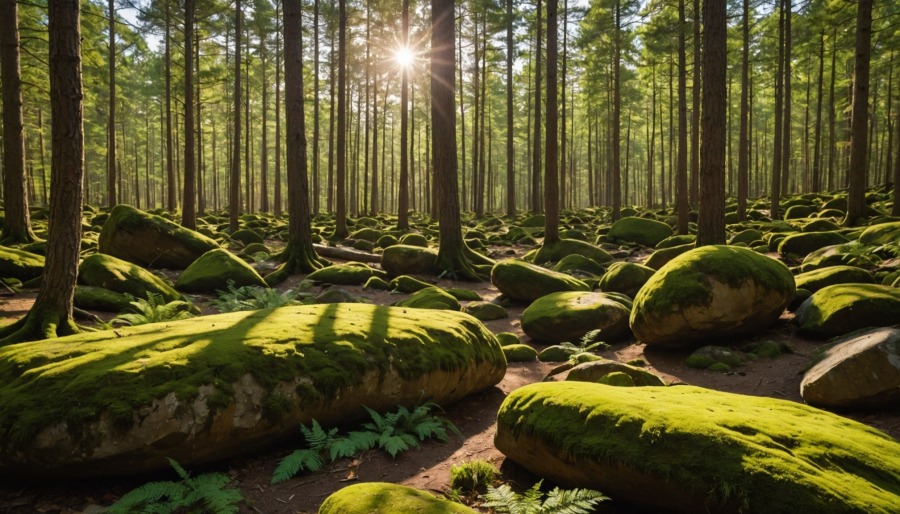
Unparalleled Sandstone Quality and Natural Features
The Fontainebleau climbing area boasts unique Oligocene sandstone formations that create perfect friction for fontainebleau bouldering enthusiasts. These 30-million-year-old rocks offer exceptional texture and grip, allowing climbers to tackle everything from delicate slab problems to powerful overhangs. The sandstone's distinctive orange and grey hues provide stunning visual contrast against the forest backdrop, making each climbing session a feast for both body and eyes! The natural erosion patterns have sculpted thousands of boulders into perfect climbing shapes, with holds ranging from tiny crimps to generous jugs. Weather conditions rarely affect the rock quality, ensuring year-round climbing opportunities. This geological perfection explains why professional climbers worldwide consider Fontainebleau the ultimate training ground for developing technique and strength.
Incredible Route Diversity Across All Skill Levels
From beginner-friendly problems to world-class test pieces, fontainebleau rock climbing offers an unprecedented range of challenges. The famous circuit system colour-codes routes by difficulty, making navigation simple for climbers using any fontainebleau climbing guide. Yellow circuits welcome newcomers with gentle grades, while the legendary blue and white circuits challenge elite boulderers with problems reaching 8A+ difficulty. Each sector presents distinct climbing styles – Bas Cuvier's technical slabs contrast dramatically with Rocher Canon's powerful roof problems. The diversity extends beyond difficulty grades to include mantles, dynos, crimpy sequences, and balance-intensive puzzles. This incredible variety means climbers can spend months exploring without repeating routes, making it perfect for extended climbing holidays france adventures that continuously challenge and inspire progression.
Exceptional Infrastructure and Camping Facilities
The region's well-developed infrastructure makes camping fontainebleau climbing experiences seamless and enjoyable for visitors. Multiple camping sites offer climbing-specific amenities including gear storage, route information, and community spaces for sharing beta. The forest features clearly marked trails connecting climbing areas, comprehensive signage, and emergency contact points throughout. Many fontainebleau climbing accommodation options cater specifically to climbers' needs, from budget-friendly campsites to comfortable guesthouses. Local businesses understand climbers' requirements, offering early breakfast times, packed lunches, and equipment rental services. Transport links from Paris remain excellent, with regular trains and bus services making car-free visits entirely feasible. This infrastructure development respects the natural environment while ensuring climbers enjoy safe, convenient access to this world class bouldering paradise.
Climbing insight: the unique combination of perfect rock, endless variety, and excellent facilities creates an unmatched bouldering experience!
Key Information to Remember
- World-class sandstone quality: The fontainebleau climbing area features unique Oligocene formations providing exceptional friction and 30+ million years of perfect geological development for bouldering
- Innovative circuit system: Fontainebleau bouldering pioneered colour-coded routes from yellow (beginner) to black (elite 8C+), with over 25,000 marked problems across 280 distinct sectors
- Seasonal climbing conditions: Spring (March-May) and autumn (September-November) offer optimal friction and weather, whilst summer heat reduces grip quality significantly on the sandstone
- Multiple accommodation options: From camping fontainebleau climbing sites near boulder areas to Paris hotels, plus excellent transport links making it perfect for climbing holidays france
- Strategic location advantages: Just 60km from Paris enables combined cultural city breaks with world class bouldering, making it an ideal base for exploring both urban attractions and european climbing destinations
Comparison of Fontainebleau Bouldering Features and Visitor Insights
| Name | Key Characteristics |
|---|---|
| Visitor Volume (2024) | Over 3.2 million visitors for Fontainebleau; 6 million in total, making it one of the most visited climbing sites worldwide |
| Number of Problems & Sectors | Over 25,000 marked problems across 280 sectors, with problems ranging from beginner (Font 2) to expert (8A+) |
| Climatic & Geological Conditions | Uniquely durable Oligocene sandstone (~30 million years old) offering year-round climbing; friction highest in spring and autumn; weather impacts grip significantly |
Fontainebleau remains the prime destination for climbers worldwide, blending natural beauty with world-class infrastructure. Its historical significance and vast route diversity attract both beginners and elite athletes.
“A climb in Fontainebleau is more than a challenge — it’s a journey through geological history and climbing culture.”
What makes Fontainebleau bouldering unique for climbers worldwide?
The fontainebleau climbing area stands as one of the world's most celebrated bouldering destinations, attracting over 6 million visitors annually in 2024. What sets this French climbing paradise apart from other european climbing destinations? The answer lies in its distinctive sandstone rock formations that offer unparalleled friction and technical challenges.
The Famous Colour-Coded Circuit System
The fontainebleau climbing area revolutionised climbing with its innovative circuit system, developed in the early 1900s. Each circuit features colour-coded markings painted directly onto the rock, guiding climbers through problems of similar difficulty. Yellow circuits welcome beginners, while white and orange routes challenge intermediate climbers. The notorious black circuits push even elite athletes to their limits, with problems reaching 8C+ grades. This systematic approach allows climbers to progress methodically while exploring the forest's 25,000+ marked problems. The circuit system eliminated the need for guidebooks during climbs, making fontainebleau bouldering incredibly accessible. Legendary problems like La Marie Rose have become pilgrimage sites for serious boulderers. The circuits weave through ancient sandstone formations, creating natural outdoor gyms scattered across multiple sectors. Each area offers distinct rock qualities and problem styles, from sloping technical faces to powerful overhangs. The colour system transcended language barriers, making this fontainebleau climbing guide approach internationally adopted.
Exceptional Sandstone Friction and Rock Quality
The sandstone formations in this fontainebleau climbing area provide legendary friction that's impossible to replicate artificially. Millions of years of geological processes created rock with microscopic texture that grips climbing shoes phenomenally. The stone's unique composition allows for incredibly technical moves on seemingly impossible angles. Unlike limestone or granite, Fontainebleau sandstone responds beautifully to skin contact, rewarding precise footwork and subtle weight shifts. Weather conditions dramatically affect the rock's performance - cool, dry days offer maximum friction, while humidity reduces grip significantly. This variability teaches climbers to adapt their techniques constantly. The rock's golden hue changes throughout the day, creating stunning visual experiences during climbing sessions. Erosion has sculpted perfect holds, pockets, and edges that feel naturally designed for human hands. The sandstone's durability ensures classic problems remain unchanged for generations. Many indoor climbing walls worldwide attempt to recreate Fontainebleau's distinctive feel through specialized holds and wall textures, proving its influence on modern climbing.
Historical Significance and Cultural Impact
Since the 1900s, the forest surrounding Paris has shaped modern bouldering culture and training methods. Early climbing pioneers like Pierre Allain established fundamental bouldering principles here, creating techniques still used today. The area became a testing ground where climbers developed new movement patterns and training philosophies. Famous athletes including John Gill and modern champions like Nalle Hukkataival have left their mark on its problems. The forest's accessibility from Paris made it a natural laboratory for climbing innovation. Weekend warriors and professional athletes share the same boulders, creating a democratic climbing culture. Local climbing communities developed rituals and traditions that spread globally through visiting climbers. The area's influence extends beyond pure athletics - it inspired climbing shoe design, hold manufacturing, and indoor gym construction. Camping fontainebleau climbing experiences became rites of passage for serious boulderers. Photography and filming at Fontainebleau helped popularise bouldering worldwide. The forest continues nurturing new generations of climbers while preserving its historical significance through careful conservation efforts.
Essential insight: Fontainebleau transforms technical climbing skills like no other outdoor venue!
Which are the best Fontainebleau climbing sectors for different skill levels?
The fontainebleau climbing area transforms into a climber's paradise with diverse sectors catering to every skill level. From gentle slopes perfect for first attempts to overhanging monsters that challenge the world's elite, this legendary forest offers an unmatched variety of climbing experiences within its sandstone wonderland.
Bas Cuvier: Perfect Starting Ground for Beginners
Bas Cuvier stands as the ultimate introduction to fontainebleau bouldering, welcoming newcomers with its gentle gradients and forgiving landings. This sector features an exceptional concentration of problems ranging from Font 2 to Font 5, allowing beginners to progress naturally through increasingly challenging routes. The famous "La Marie Rose" (Font 4) serves as a rite of passage for many climbers, while "L'Angle Allain" (Font 5) provides the perfect stepping stone to intermediate climbing. The sector's proximity to camping areas makes it ideal for those seeking camping fontainebleau climbing adventures. Access remains straightforward via the Route de la Plaine de Chanfroy, with ample parking available year-round. The well-maintained paths and excellent boulder quality create an encouraging environment where technique development takes precedence over pure strength, making Bas Cuvier an essential destination for anyone beginning their Font journey.
Elephant Sector: Intermediate Challenges Await
The Elephant sector delivers the perfect progression for intermediate climbers ready to tackle Font 5 to Font 7 problems within the fontainebleau climbing area. This remarkable area showcases the forest's signature steep walls and technical sequences that demand refined footwork and dynamic movement. "Elephant" itself (Font 6A) represents one of the most celebrated problems in the sector, featuring an iconic traverse that tests balance and endurance. The neighbouring "Baby Elephant" (Font 5+) provides a slightly gentler introduction to the area's style. Climbers can access this sector via the Parking du Carrefour de l'Épine, followed by a pleasant 10-minute walk through the forest. The sector's strategic position allows easy combination with nearby areas for full-day climbing sessions. Many climbers choose this location for extended stays, taking advantage of nearby fontainebleau climbing accommodation options that provide comfortable bases for exploring multiple sectors throughout their visit.
Roof Sector: Advanced Technical Masterpieces
The Roof sector challenges advanced climbers with overhanging masterpieces ranging from Font 7A to Font 8B+, representing the pinnacle of difficulty within the fontainebleau climbing area. This demanding sector features the legendary "Roof" problem (Font 7A), an iconic horizontal crack that has become a benchmark for technical climbing worldwide. Advanced climbers tackle "Big Boss" (Font 7C) and the notorious "Brave New World" (Font 8A+), problems that demand exceptional finger strength and precise technique. Access requires a longer approach via the Trois Pignons parking area, followed by a 20-minute hike that serves as an excellent warm-up. The sector's challenging nature attracts climbers from across Europe, creating a vibrant international atmosphere. Weather conditions play a crucial role here, with autumn and spring offering optimal friction for these demanding routes.
Hidden Gems: Franchard Isatis and Cuvier Rempart
Franchard Isatis and Cuvier Rempart represent two exceptional sectors that showcase the diverse character of world class bouldering in Fontainebleau. Franchard Isatis offers a stunning collection of Font 4 to Font 7 problems set among dramatic rock formations, with "Isatis" (Font 6A+) serving as the sector's crown jewel. This technical slab climb demands precise footwork and delicate balance, exemplifying the finesse required for Font sandstone. Cuvier Rempart provides a contrasting experience with its powerful problems ranging from Font 5 to Font 8A, including the famous "Rempart" (Font 7A) that tests climbers with an intimidating roof sequence. Both sectors remain easily accessible from central camping areas, making them perfect additions to any climbing itinerary. The varied styles between these areas allow climbers to develop different aspects of their technique while experiencing the full spectrum of Fontainebleau's climbing heritage.
Smart tip: Visit multiple sectors during your stay to experience the full range of Font's legendary sandstone styles!
Essential gear and preparation for your Fontaniebleau climbing adventure
Planning your trip to the fontainebleau climbing area requires specific equipment for tackling its unique sandstone boulders. From essential climbing gear to seasonal clothing, proper preparation ensures both safety and success on your fontainebleau bouldering adventure.
Essential climbing equipment
Quality climbing shoes remain your most critical investment for the fontainebleau climbing area. Choose downturned shoes with sticky rubber for maximum grip on sandstone slopers and technical holds. Aggressive models work best for overhanging problems, while moderate shoes suit beginners tackling easier circuits.
Crash pads provide essential safety coverage on the forest floor. Bring multiple pads for higher problems or awkward landings - many areas feature roots, rocks, and uneven terrain. Portable brushes help clean holds clogged with sand and dirt, maintaining crucial grip. Wild boar brushes work excellently for stubborn grime removal.
High-quality chalk proves indispensable in Font's humid forest environment. Liquid chalk works particularly well in damp conditions, while traditional block chalk suffices during dry periods. Consider eco-friendly options to preserve the natural sandstone. A reliable chalk bag with secure closure prevents spillage during dynamic moves.
Navigation and route finding resources
A comprehensive fontainebleau climbing guide remains essential for discovering the area's 30,000+ boulder problems. The classic Geoguide series covers all major sectors with detailed topos and circuit maps. Digital alternatives include 27 Crags and Vertical-Life apps, offering GPS navigation and user-generated content.
Offline maps prove crucial since mobile coverage varies throughout the forest. Download sector maps before arriving, marking parking areas and circuit starts. Many climbers prefer physical guidebooks for their reliability and detailed historical information about problem development.
Consider bringing a headtorch for early morning or late evening sessions. Font's dense canopy creates dark conditions even during daylight hours in winter months.
Seasonal clothing and safety gear
Weather conditions dramatically affect climbing comfort in this european climbing destination. Summer requires lightweight, breathable clothing and sun protection - the sandstone heats quickly. Autumn and spring demand layers for temperature variation throughout the day. Winter climbing often provides optimal friction but requires warm, flexible clothing.
Waterproof layers prove essential year-round due to frequent showers. Pack extra clothing in sealed bags to maintain dryness. Approach shoes help navigate muddy forest paths between boulder areas, protecting climbing shoes from wear.
First aid supplies should include blister treatment, antiseptic wipes, and basic wound care materials. The rough sandstone frequently causes skin damage. Emergency contact information and offline maps ensure safety in remote forest sectors.
Gear tip: Pack everything in a durable backpack - Font's approach walks can be surprisingly long!
Where to stay during your Fontainebleau climbing holiday?
Finding the right accommodation for your climbing adventure in the fontainebleau climbing area can make or break your trip! With over 350,000 annual visitors to this legendary bouldering destination in 2024, securing prime lodging near your target sectors becomes crucial for maximizing your climbing time and experience.
Camping Sites for Dedicated Climbers
Camping represents the most popular choice among serious boulderers visiting the fontainebleau climbing area. Sites like Camping de Bois-le-Roi and La Belle Etoile offer excellent proximity to major climbing sectors while providing essential facilities that climbers need. These camping fontainebleau climbing locations feature secure gear storage areas, early morning access policies, and proper shower facilities after long days on the sandstone. Many camping sites position themselves strategically within walking distance of renowned areas like Franchard and Cuvier, allowing you to reach the rock within minutes of waking up. The communal atmosphere at these campgrounds creates perfect opportunities to connect with fellow climbers, share beta, and discover new problems. Most sites offer booking flexibility during shoulder seasons, though advance reservations become absolutely essential during peak autumn months when conditions are optimal.
Hotels and B&Bs for Comfort-Focused Stays
When seeking more comfort during your fontainebleau bouldering holiday, numerous hotels and bed-and-breakfasts throughout Fontainebleau town provide excellent alternatives. The Hôtel Napoleon and Aigle Noir offer upscale accommodations with spacious rooms for gear organization and reliable wifi for route planning. Many B&Bs run by climbing-aware hosts understand specific needs like early breakfast times and muddy boot storage. These establishments typically sit within 10-15 minutes drive from major climbing areas, making them perfect for those preferring evening comfort after demanding boulder sessions. Several hotels offer special climbing packages including packed lunches and local area guides. The trade-off involves higher costs compared to camping, but the luxury of hot showers, comfortable beds, and climate control often justifies the expense, especially during unpredictable weather periods when camping becomes less appealing for longer stays.
Holiday Rentals and Group Accommodations
Gîtes and vacation rentals provide excellent solutions for climbing groups or families visiting the fontainebleau climbing area for extended periods. These self-catering properties offer kitchen facilities for preparing energy-rich meals, common areas for evening socializing, and ample space for drying gear after rainy sessions. Many rentals specifically market toward outdoor enthusiasts, featuring amenities like gear washing stations and detailed climbing guidebooks. Properties in Barbizon and Bourron-Marlotte provide perfect bases within striking distance of multiple climbing zones. Group bookings often prove more economical than individual hotel rooms while offering greater flexibility for meal times and departure schedules. Several rental properties maintain relationships with local climbing guides and can arrange instruction or guided tours of classic world class bouldering circuits, making them ideal for mixed-ability groups seeking comprehensive climbing experiences.
Essential tip: Book accommodation 2-3 months ahead for September-November peak season!
When is the best time to visit this European climbing destination?
The fontainebleau climbing area transforms dramatically with each season, making timing crucial for your climbing experience. While this legendary bouldering destination near Paris welcomes climbers year-round, the sandstone's friction quality and weather conditions vary significantly throughout the calendar. Spring emerges as the golden season, typically from March to May, when temperatures hover between 10-18°C and the forest awakens with perfect grip conditions. The sandstone feels crisp under your fingers, and crowds remain manageable compared to the bustling summer months.
Autumn rivals spring as the premier season for fontainebleau bouldering, particularly September through November. The cooler air enhances friction dramatically, making this period ideal for tackling those challenging grades you've been projecting. Winter climbing remains surprisingly viable, though shorter daylight hours and occasional snow require flexibility in your climbing holidays france planning.
Summer presents the greatest challenges with temperatures often exceeding 25°C, causing the sandstone to become slippery and reducing grip quality significantly. The forest fills with tourists and families, creating busy conditions around popular bouldering areas. However, early morning sessions before crowds arrive can still prove rewarding for dedicated climbers willing to adapt their schedules.
Pro tip: Avoid rainy periods entirely, as the porous sandstone becomes extremely fragile when wet!
How to combine Paris sightseeing with your Fontainebleau climbing trip?
Combining metropolitan adventures with world-class bouldering creates the perfect French holiday! The fontainebleau climbing area sits just 55 kilometres southeast of Paris, making it incredibly accessible for climbers wanting both urban culture and natural rock experiences. Strategic planning transforms your climbing trip into a comprehensive French adventure, whether you're extending a city break or adding cultural depth to your bouldering expedition.
Transportation and Base Camp Strategy
The most efficient approach involves establishing your primary base in Paris and using the excellent transport connections to reach the fontainebleau climbing area. Direct trains from Gare de Lyon reach Fontainebleau-Avon station in just 40 minutes, with regular services throughout the day. From the station, local bus lines connect directly to popular fontainebleau bouldering sectors like Trois Pignons and Bas Cuvier.
Alternatively, renting a car provides maximum flexibility for accessing remote sectors and carrying climbing gear. The drive takes roughly one hour depending on traffic, allowing early morning starts to beat crowds at popular boulder problems. Many climbers prefer staying in camping fontainebleau climbing sites for authentic forest experiences, then returning to Paris for evening activities and cultural exploration. This hybrid approach maximises both your climbing time and urban discoveries.
Rest Day Cultural Integration
Rest days become opportunities for deep cultural immersion in Paris rather than simple downtime. The Louvre, Musée d'Orsay, and Centre Pompidou offer world-class art collections perfect for inspiring creativity between climbing sessions. Walking along the Seine provides gentle recovery exercise while soaking up Parisian atmosphere.
Food markets like Marché Saint-Germain introduce you to French culinary traditions, essential for understanding local culture during your france outdoor climbing adventure. Evening river cruises or sunset visits to Sacré-Cœur create memorable experiences that complement your physical achievements on Fontainebleau sandstone. Many climbers discover that alternating intense bouldering days with gentler cultural exploration actually improves their climbing performance through mental refreshment and reduced physical stress.
Extended Holiday Planning
International visitors can maximise their European trip by combining multiple experiences around a central fontainebleau climbing area focus. A typical 10-day itinerary might include three days exploring Paris museums and landmarks, four days intensive bouldering in different forest sectors, two days for Versailles or Loire Valley excursions, and one recovery day enjoying Parisian café culture.
Booking fontainebleau climbing accommodation that offers flexible check-in times accommodates varying climbing schedules while maintaining your Paris hotel for city experiences. This dual-base approach works particularly well for couples where one person climbs more intensively than the other, allowing independent exploration options. Consider purchasing a Paris Museum Pass for skip-the-line access during shorter cultural windows between climbing days.
Smart tip: Book accommodation near major transport hubs to minimise transition time between experiences!
Questions fréquentes
What accommodation options are available near the fontainebleau climbing area?
Several camping fontainebleau climbing sites offer convenient access to bouldering areas. Municipal campgrounds and private facilities provide basic amenities for climbers seeking budget-friendly stays near the forest.
How do I access the main sectors in fontainebleau climbing area?
Most sectors are accessible by car with designated parking areas. Popular spots like Bas Cuvier and Franchard require short walks from parking. Public transport connects Paris to Fontainebleau town centre.
What difficulty levels can beginners expect at this climbing destination?
Fontainebleau bouldering offers problems from beginner-friendly 2-3 grades to advanced 7+ routes. White circuits mark easier problems, while orange and blue indicate intermediate challenges for developing climbers.
Where can I rent climbing equipment near the forest?
Local outdoor shops in Fontainebleau town centre rent crash pads, climbing shoes, and brushes. Some fontainebleau climbing accommodation providers also offer basic gear rental services for guests.
Which sectors offer the best climbing experience for first-time visitors?
Bas Cuvier provides excellent variety for beginners and intermediates. Franchard Isatis offers classic problems, while Elephant sector features iconic boulder formations perfect for world class bouldering experiences.
How far in advance should I book accommodation during peak season?
Book 2-3 months ahead for spring and autumn visits. Summer weekends fill quickly, especially camping sites popular with climbing holidays france enthusiasts seeking convenient forest access.
Quick tip: Plan ahead for optimal climbing experience!
